Growing Cannabis at Home: A Beginner's Guide Growing cannabis at home is becoming increasingly popular, both for therapeutic and recreational use, where permitted by law. Growing your own cannabis allows you to control the quality of the product, reduce costs, and experiment with different strains. If you are a beginner and want to start this adventure, this guide will provide you with the essential basics for successful cultivation. 1. Check Local Legislation Before starting, it is essential to find out about the legality of cannabis cultivation in your country or region. In some places it is allowed to grow a limited number of plants for personal use, while in others it is completely prohibited. Make sure you comply with regulations to avoid legal problems. 2. Choose the Type of Cultivation: Indoor or Outdoor? Indoor Cultivation Indoor cultivation is ideal for those who want maximum control over the growing environment. It requires a higher initial investment for equipment such as lamps, ventilation, and substrates, but allows you to obtain quality harvests all year round. Outdoor Cultivation If you live in a favorable climate, outdoor cultivation is a more economical and sustainable option. However, the plants will be exposed to external factors such as pests, adverse weather conditions, and prying eyes. 3. Choose the Right Seeds There are three main varieties of cannabis: •Sativa: Energizing effects, tall growth, and long flowering times. •Indica: Relaxing effects, more compact plants, and faster flowering. •Hybrids: A mix of the two, with variable characteristics. Additionally, for beginners it is advisable to choose feminized seeds (they only produce flowering plants) or autoflowering seeds (they flower automatically without the need for light changes). 4. Prepare the Growing Environment Indoor Cultivation: Necessary Equipment •Grow box or grow room: A controlled space for plant growth. •Lighting: LED or HPS lamps to simulate sunlight. •Ventilation: Air extractors and fans to prevent mold and keep the air fresh. •Substrate: Specific soil for cannabis or hydroponic cultivation. •Fertilizers and nutrients: Necessary for healthy growth. Outdoor Cultivation: What to Consider •Climate: Mild temperatures and many hours of sunlight are ideal. •Soil: Well-drained and rich in nutrients. •Location: A discreet and safe place, away from prying eyes. 5. The Plant's Life Cycle •Germination (1-7 days): The seeds are planted in a humid environment until they sprout. •Vegetative phase (3-8 weeks): The plants grow, developing leaves and roots. It is important to provide them with plenty of light. •Flowering (6-12 weeks): The plant develops flowers (buds), which increase in volume and produce resin. •Harvest and drying (2-4 weeks): After harvesting, the buds must be dried and cured to improve aroma and potency. 6. Plant Care and Maintenance •Watering: Avoid both excess and lack of water. Use water with a pH adjusted between 6.0 and 7.0. •Nutrients: Use specific fertilizers for the vegetative and flowering phases. •Pruning and training: Techniques such as topping and LST help maximize yield. •Protection from pests and mold: Regularly check the plants to prevent infestations. 7. Harvest, Drying, and Curing When the trichomes (small glands on the surface of the flowers) become milky or amber, it is time to harvest. After cutting: 1.Dry the buds by hanging them in a dark, ventilated environment for about 10-14 days. 2.Cure the flowers in glass jars for at least two weeks, opening the containers every day to let out moisture. Conclusion Growing cannabis at home is a rewarding experience that requires patience and dedication. By following this guide, even beginners can achieve a quality harvest. Always remember to respect the law and inform yourself about best practices to improve your cultivation. Happy growing!
Copyright © 2025 | ALL RIGHTS RESERVED WWW.CARLITOSWEED.AMSTERDAM

Growing Cannabis at Home: A Beginner's Guide
Growing Cannabis at Home: A Beginner's Guide
2025-03-22 11:03
2025-03-22 11:03
Array() no author 93111
coltivazione-domestica-di-cannabis, guida-per-principianti-alla-coltivazione-di-cannabis, tecniche-di-coltivazione-indoor, scelta-dei-semi-di-cannabis, tecniche-di-coltivazione-outdoor, illuminazione-per-piante-di-cannabis, irrigazione-e-nutrimenti-per-cannabis,
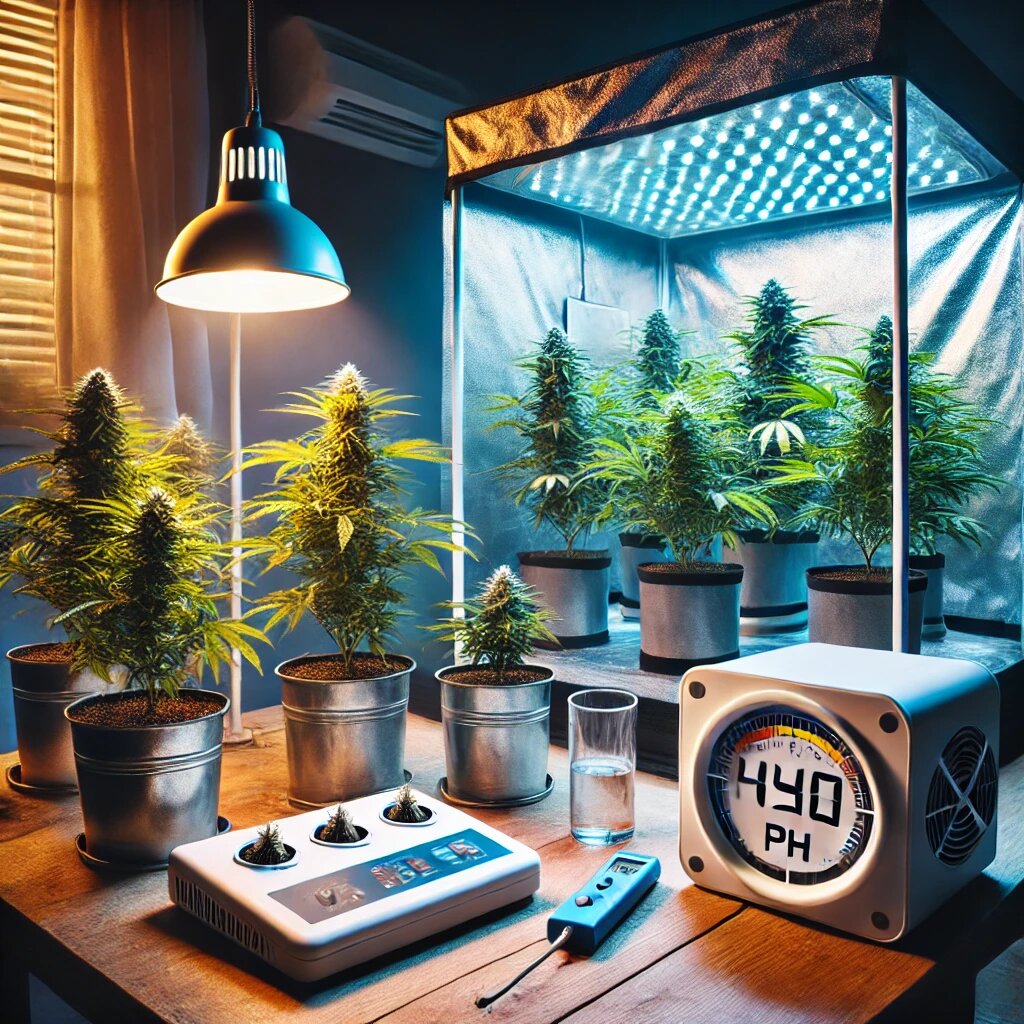
Discover how to grow cannabis at home with this beginner's guide. From choosing seeds to harvesting, follow the tips on indoor and outdoor cultivation
Copyright © 2025 | ALL RIGHTS RESERVED WWW.CARLITOSWEED.AMSTERDAM