The New Road Code Reform and Light Cannabis: An Unjust and Misinformed Choice? The recent reform of the Road Code, which imposes a zero-tolerance approach to the presence of THC in the blood, has sparked numerous controversies. Not only because of the obvious critical issues in the substance of the measures, but also because of the way these decisions were made, often without adequate preparation by political decision-makers. The Critical Points of the Reform 1.Zero tolerance for THC in the blood The new law does not distinguish between the use of light cannabis (legal, with THC below 0.2%) and high-THC cannabis (illegal), ignoring scientific evidence that demonstrates the absence of psychoactive effects for the former. Problem: THC can be detectable in the blood even weeks after consuming light cannabis, when it no longer has any effect on driving ability. This approach risks unjustly punishing those who use legal products for therapeutic or recreational purposes. 2.Disproportionate sanctions Immediate license suspension and high fines without considering the context or the actual level of THC present in the blood. This type of rule strikes indiscriminately and especially harms consumers of light cannabis, a legal substance. 3.Lack of distinction for therapeutic use There are no exceptions for those who use cannabis for therapeutic purposes, prescribed by a doctor. Such rigidity does not take into account the reality of patients and forces them to choose between health and the right to mobility. 4.Contradiction with European regulations Countries like Germany and the Netherlands adopt specific THC thresholds in the blood to define fitness to drive, distinguishing between responsible use and abuse. In Italy, however, a punitive and irrational approach has been chosen. Why Was This Approach Chosen? The answer also lies in the poor preparation of many political decision-makers. The reform seems the result of a superficial debate, where ideologies and prejudices prevailed over scientific data and an objective analysis of the facts. It is a structural problem: many ministers and legislators in charge of making decisions on complex issues do not have specific studies or the minimum skills to fully understand the implications of their choices. For example: •Regulations on cannabis use require an in-depth knowledge of pharmacology and the effects of substances on the human body. •Decisions on the Road Code imply expertise in road safety, statistics, and risk analysis. Yet, many political representatives have neither academic qualifications nor experience in relevant sectors, and their decisions often reflect a vision based on moralism or ideological pressures rather than scientific evidence. How to Improve the Situation 1.Take inspiration from European models Following the example of countries like Germany, a minimum THC threshold in the blood could be adopted to assess fitness to drive, avoiding criminalizing those who do not pose a real danger. 2.Train political decision-makers Before legislating on complex issues such as road safety and substance use, ministers and parliamentarians should participate in specific training courses to fill any gaps. Political decisions should be based on scientific evidence, not ideologies or prejudices. 3.Consult experts and researchers Involve health professionals, road safety experts, and representatives of the light cannabis sector to create a balanced reform consistent with Italian and European reality. 4.Protect consumers of legal products Light cannabis is a legal product, and its responsible use should not entail punitive consequences. The law should protect citizens who comply with the rules. In Conclusion The new reform of the Road Code seems the result of choices made without adequate knowledge of the subject. It is a step backward for Italy, which indiscriminately criminalizes responsible consumers, patients, and businesses in the light cannabis sector. Adopting an approach based on scientific data and the experience of other European countries is essential to ensure road safety and individual rights. Hashtag: #CannabisLight #ParmaCannabis #ReggioEmiliaCannabis #CodiceDellaStrada #CannabisLegale #PoliticheSbagliate #RiformaCodiceStrada #Parma #ReggioEmilia
Copyright © 2025 | ALL RIGHTS RESERVED WWW.CARLITOSWEED.AMSTERDAM

The New Road Code Reform
The New Road Code Reform
2024-11-23 10:24
2024-11-23 10:24
Array() no author 93111
codicestrada-cannabislight-riformaguida-thczerotolleranza-politichesbagliate-cannabislegale-normativ,
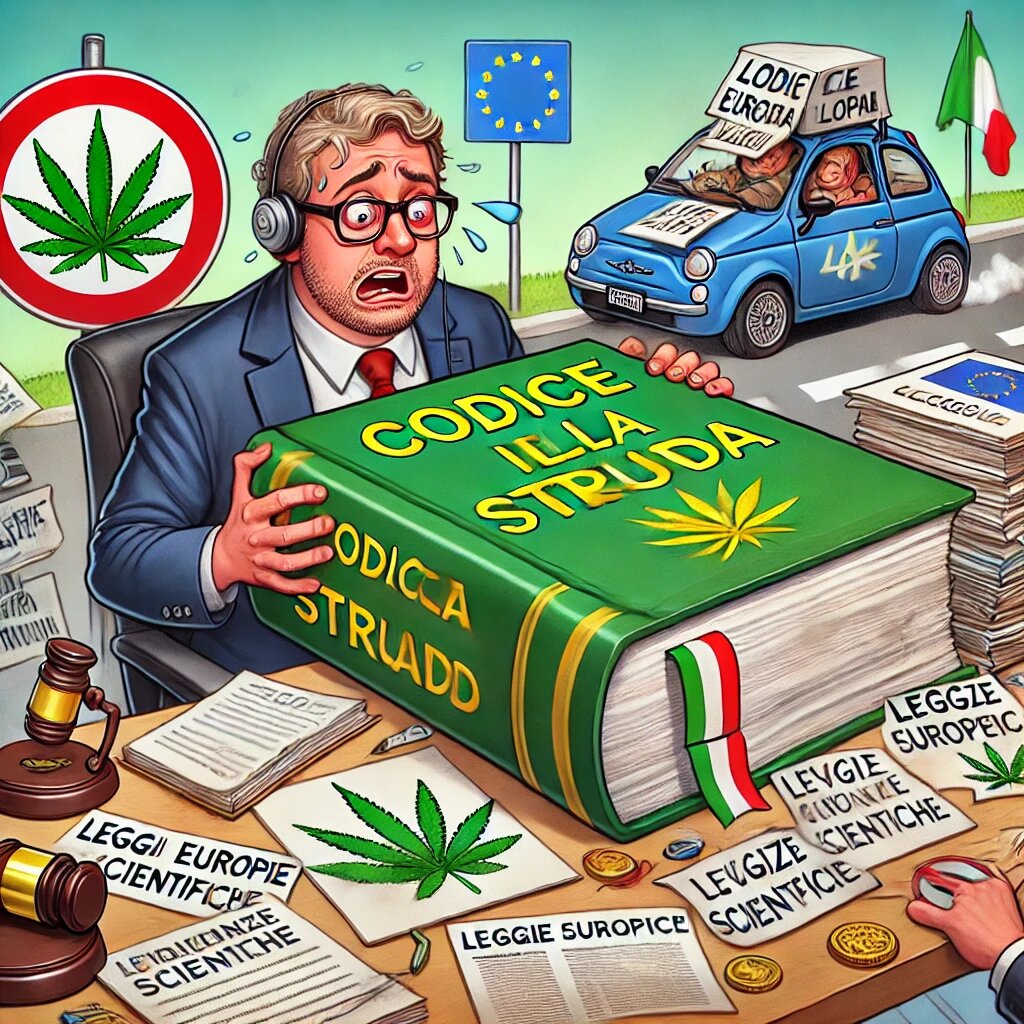
The article criticizes the reform of the Highway Code, which penalizes light cannabis consumers with zero tolerance for THC. It proposes an approach p
Copyright © 2025 | ALL RIGHTS RESERVED WWW.CARLITOSWEED.AMSTERDAM