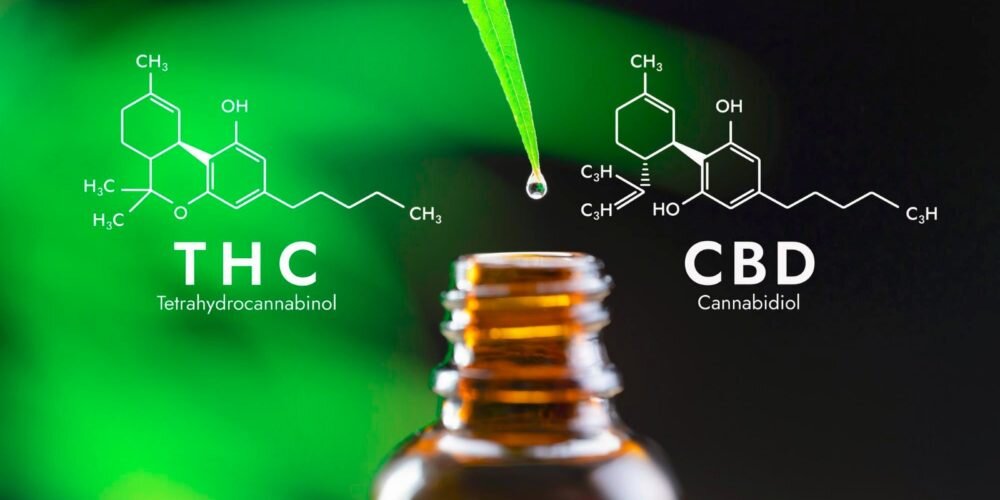
The Ministry of Health has issued a new decree published in the Official Gazette on August 21, 2023 that would classify oral cannabidiol (CBD) compositions in table B among narcotics, effectively including even non-narcotic preparations based on natural-origin CBD in the table of law 309/90. Since 2020, so for over two years, our association has been fighting to prevent the classification of CBD as a narcotic from passing. In fact, despite CBD having no narcotic effects and this being confirmed by the World Health Organization, in 2020 the first decree issued by then Minister Speranza wanted to include CBD in the list of narcotic substances by inserting “compositions for oral administration of cannabidiol obtained from Cannabis extracts” in law 309/90 section B, the table of medicines with narcotic effects. This decree was suspended the day before it was to come into force, thanks also to the outcry and protests from the entire sector and precisely in light of the possible implications for the sector and the recommendations of the WHO as well as the international and European framework. Today, however, with the new regulation issued yesterday, this suspension is annulled and the decree is scheduled to come into force on September 22. If it comes into force as it is, this measure will certainly have a major impact on all companies involved in the production, processing, and marketing of hemp extracts based on natural-origin CBD, because contrary to the recommendations of the WHO, the sale will require a strict registration system as a drug with the Ministry of Health, an absolutely unsuitable procedure for a risk-free substance like CBD. CBD in fact does not have narcotic properties as also very recently confirmed by the Expert Committee of the World Health Organization. This classification therefore is not only without scientific basis, but can have serious repercussions for Italy on the international stage. Hemp differs from narcotic cannabis mainly due to its low concentration of THC (narcotic molecule) compared to the concentration of CBD (non-narcotic molecule) and compared in general to other non-narcotic cannabinoids. This distinction is also important given the imminent legalization of high-THC cannabis in many countries, including very close EU Member States such as Spain, Malta, and Germany. Given also the imminent legalization in Germany, it would perhaps be more appropriate to start looking now for a model to regulate high-THC cannabis in Italy as well, using for example a model similar to that of alcohol and wine, instead of wasting time trying to include a non-narcotic product in the table of narcotics – doing the opposite of what the WHO recommends and harming the Italian economy, which once again falls behind only to favor the requests of pharmaceutical companies or large foreign corporations. The extract from the hemp plant with low THC content cannot be included among narcotic drugs; by its very nature, it should be treated like any extract from a non-narcotic medicinal plant for human use, such as lemon balm or helichrysum extract.
The Ministry of Health Decree on Oral Use CBD Extracts
CBD and Its Non-Narcotic Nature
Distinction Between Non-Narcotic Hemp and Narcotic Cannabis
This distinction is fundamental to ensure correct information to the public.
Hemp and Cannabis in Other European Countries
Copyright © 2025 | ALL RIGHTS RESERVED WWW.CARLITOSWEED.AMSTERDAM
The Ministry of Health includes CBD oil among narcotic drugs
The Ministry of Health includes CBD oil among narcotic drugs
2023-08-24 14:12
2023-08-24 14:12
Array() no author 93111
cannabis-light, thc, marijuana, proibizionismo, cbd, proibizionismo-italiano,
Prohibitionism in Italy continues
Copyright © 2025 | ALL RIGHTS RESERVED WWW.CARLITOSWEED.AMSTERDAM